


THE FUTURE IS ANCESTRAL
CURATORS: CAROLINA CAFFÉ, KEREXU MARTIM GUARANI AND EDIVAN GUAJAJARA
The free program brought together 11 recent films directed by Indigenous filmmakers from different regions of the country, representing the Guarani, Kuikuro, Huni Kuin, Yanomami, Munduruku, Tukano, Tupinambá, Ikpeng, and Guajajara peoples.
After the screenings, debates were held with filmmakers, protagonists, and leaders: Beka Munduruku, Edivan Guajajara, Oremé Ikpeng, Kerexu Martim, Richard Wera Mirim Guarani, Natália Tupi, Jera Guarani, Txai Surui, Thiago Guarani, Larissa Tucano, Beatriz Pankararu, and Geni Núñez.
The screenings took place at FAAP – Auditorium 1
Fundação Armando Alvares Penteado (R. Alagoas, 903 – Higienópolis, São Paulo – SP)
July 13, 2025 - Sunday | Session 1 - 12:00 (midday)
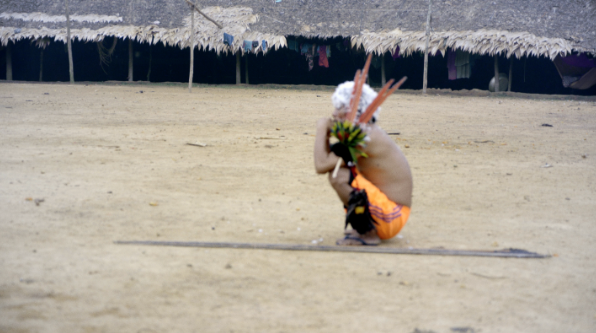
Boa Vista, TI Yanomami, 2023, 17’
Director: Morzaniel Ɨramari
Ethnicity: Yanomami
Synopsys
When the flowers of the Mari tree bloom, dreams appear. The words of a great shaman lead to a dreamlike experience through the synergy between cinema and Yanomami dreams, presenting the poetics and teachings of the peoples of the forest.
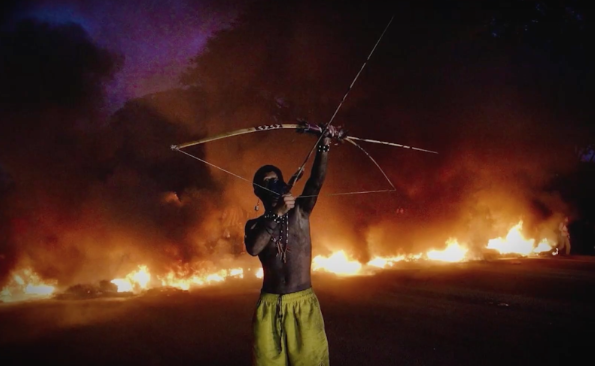
SP, TI Jaraguá, 2023, 22’
Director: Natália Tupi e Guilherme Fascina
Ethnicity: Guarani | Tupinambá
Synopsys
Richard Wera Mirim is a young Indigenous Communicator from the Guarani Mbya people of the Jaraguá Indigenous Land, a territory that still resists on the banks of the Bandeirantes Highway in São Paulo. The film shows a little of his trajectory, combined with the power of audiovisuals and the use of social networks in the indigenous struggle and resistance. It shows the camera as an arrow, a powerful communication tool, a weapon to record and portray, with the eyes of those who experience the culture, knowledge, territories and other aspects of indigenous peoples for the right to exist.
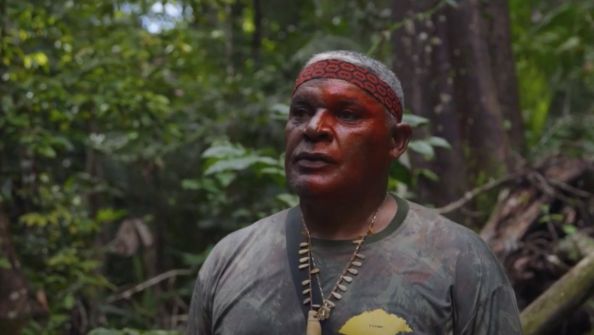
Maranhão, TI Araribóia and Caru, 2023, 14’
Director: Edivan Guajajara
Ethnicity: Guajajara
Synopsys
Edivan Guajajara's video report shows the reality of those fighting for the Tenetehara territory in Maranhão: the Guardians of the Forest of the Guajajara people. They are recognized worldwide for their work in defense of the remaining forest in the Amazon portion of Maranhão - less than 20% of the original cover. In the Araribóia Indigenous Land and the Caru Indigenous Land, where the self-defense group brings together around 120 indigenous people to protect the territory, the Guardians drive out loggers and other invaders, sometimes paying with their lives.
Post-screening debate with: Edivan Guajajara & Richard Wera Mirim Guarani | Moderator: Beatriz Pankararu
July 13, 2025 - Sunday | Session 2 - 3PM
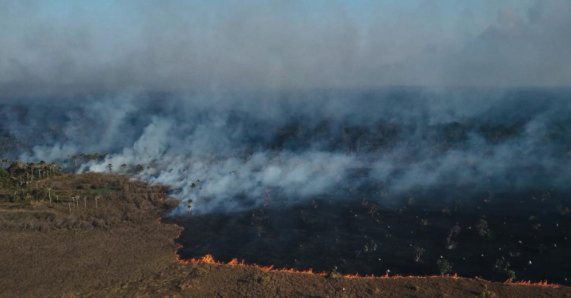
Mato Grosso, Parque Indígena do Xingu, 2022, 10’
Director: Takumã Kuikuro
Ethnicity: Kuikuro
Synopsys
The shaman and his family go fishing. While fishing, a jaguar approaches them and starts barking in fright for help. Its cry is a warning. The shaman immediately returns to the village and warns his people of the approaching danger. He seeks spiritual strength in shamanism as his concern grows. The fire invades the forest and the animals flee in search of shelter, but many do not resist and die. The forest burns to the ground and then the drought is extreme.
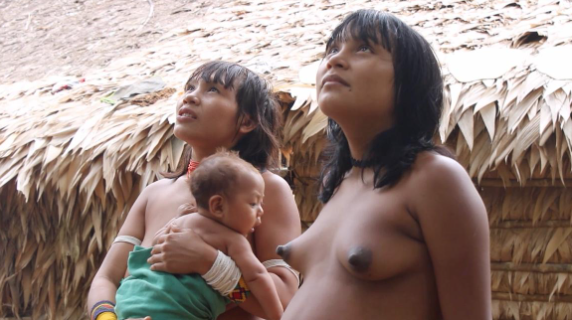
Roraima and Amazonas, TI Yanomami, 2023, 9'
Director: Aida Harika Yanomami, Edmar Tokorino Yanomami, Roseane Yariana Yanomami
Ethnicity: Yanomami
Synopsys
A Yanomami woman observes a shaman preparing Yãkoana, the food of the spirits. From the narrative of a young indigenous woman, the Yãkoana that feeds the Xapiri and allows the shamans to enter the world of the spirits also proposes a meeting of perspectives and imaginations.
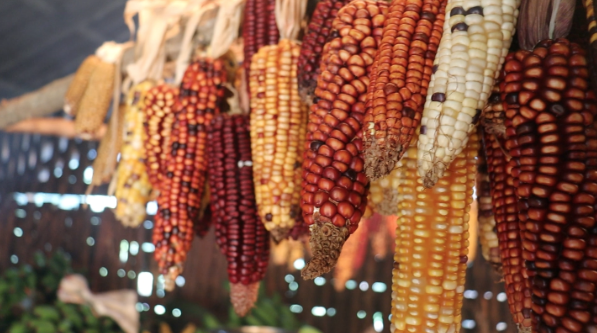
SP, TI Tenondé Porã, 2023, 21’
Director: Kerexu Mirim
Ethnicity: guarani
Synopsys
The documentary celebrates the resumption of the planting of the traditional maize varieties of the Guarani M'bya people in the Kalipety village, where there was once a dry and degraded area, the result of decades of eucalyptus monoculture. Considered to be one of the true foods that the divine beings have in their celestial abodes, corn goes through rituals and blessings from planting to harvest, when the village comes together to celebrate. Eating it keeps the vitality of human beings in balance, just like the divinities.
Post-screening debate with: Keretxu Martim & Jera Guarani | Moderator: Txai Surui
July 13, 2025 - Sunday | Session 3 - 5PM
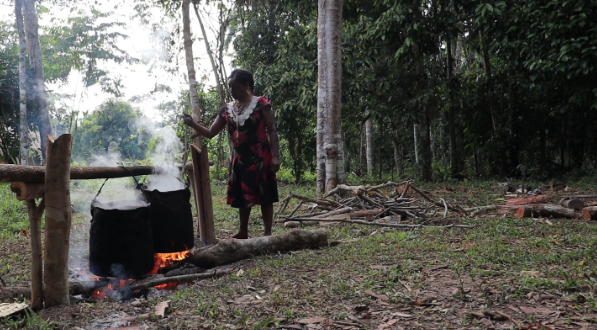
Acre, TI Praia do Carapanã, 2023, 34’
Director: Lira Huni Kuin
Ethnicity: Huni Kuin
Synopsys
Until recently, Huni Kuin women were not allowed to consecrate and prepare Nixi Pae (ayahuasca); only men knew the power of this medicine. A film about the lessons learned, the transformations and the power of ayahuasca through Huni Kuin women. Made during the workshop on audiovisual training and indigenous women's rights in the Mibãya Village, in the Praia do Carapanã Indigenous Land, Acre.
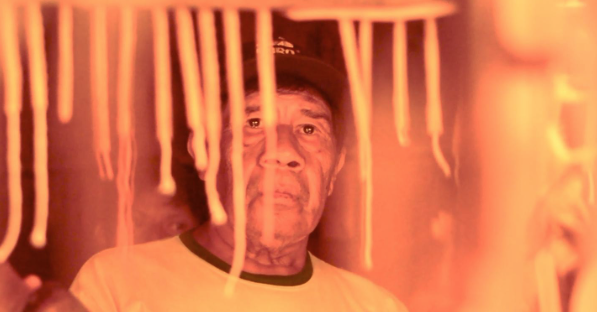
São Paulo, TI Jaraguá, 2023, 13’
Director: Natália Tupi e Richard Wera Mirim
Ethnicity: Guarani e Tupinambá
Synopsys
The film is a dive into the night of January 24th, when the annual Baptism of the Waters takes place at Tekoa Pyau, Jaraguá Indigenous Land in São Paulo. The documentary is narrated by the Xondaro Michael Tupã Popyguá, a young leader of the territory, and highlights the importance of passing on culture and ancestry from generation to generation. The film is also a tribute to Xeramoi Alísio Tupã Mirim, who passed away a month after filming.
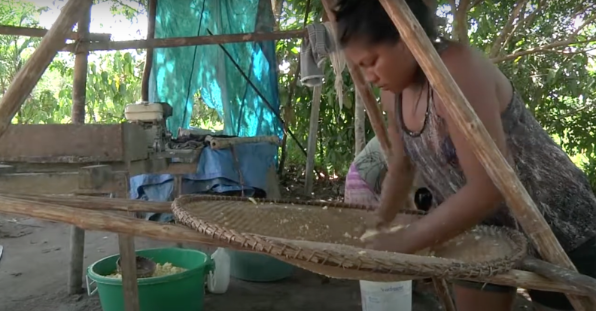
Amazonas, indigenous community, Taracuá, 2017, 23’
Director: Larissa Tukano
Ethnicity: Tukano
Synopsys
The documentary was produced during the Audiovisual Workshops for the Safeguarding of the Traditional Agricultural System of the Rio Negro, promoted by the National Historical and Artistic Heritage Institute (IPHAN). The film presents, in an intimate and subjective way, the generational relationships in the context of the gardens that make up this agricultural system, recognized as intangible cultural heritage in Brazil. The work highlights the importance of traditional agriculture for the identity and sustainability of the indigenous communities of the Rio Negro, highlighting ancestral practices and knowledge passed down between generations.
Post-screening debate with: Natália Tupi & Larissa Tukano | Moderator: Thiago Guarani
July 13, 2025 - Sunday | Session 4 - 7:30PM
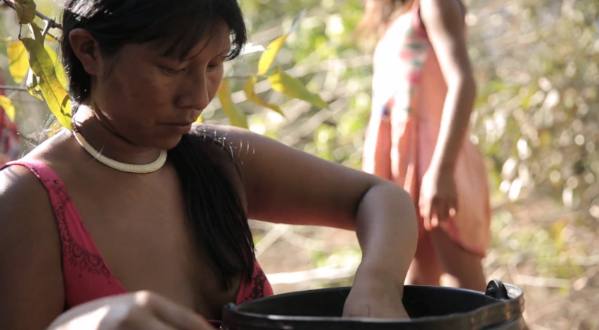
Mato Grosso, TI Xingu, 2020, 21’
Director: Kamatxi Ikpeng
Ethnicity: Ikpeng
Synopsys
Yarang Mamin delves into the daily lives of the women of the Ikpeng people who collect native seeds in the Xingu Indigenous Territory (MT). The collectors created the Yarang Women's Movement and over the course of a decade collected 3.2 tons of forest seeds, which made it possible to plant around 1 million trees in the Xingu and Araguaia river basins. A breath of fresh air in the midst of the devastation that is eating away at what remains of the forest.
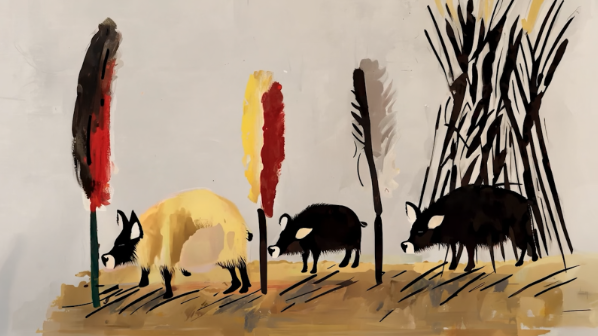
Pará, TI Sawré Muybu, 2022, 72'
Director: Coletivo Daje Kapap Eypi
Ethnicity: munduruku
Synopsys
On the banks of the Tapajós, in Pará, the forest of fish women mirrors the mythology of the Munduruku. Munduruku mythology, where humans, at the origin of the world, were transformed into forest, plants and animals. In the day-to-day life of the Sawre Muybu village, the spirits of the forest are not only
ancestral spiritual forces, but part of the family.
Post-screening debate with: Oreme Ikpeng + Beka Munduruku | Moderator: Geni Núñez